

Workers Compensation For Staffing Agencies In Hawaii
Workers Compensation For Staffing Agencies In Hawaii is an important part of operating a staffing business that hires employees and places them with client companies. Staffing agencies may send employees into offices, warehouses, hotels, restaurants, healthcare facilities, construction-related jobs, manufacturing operations, and many other workplaces. Each assignment can create different workplace exposures.
For a staffing agency, workers compensation is not only about purchasing an insurance policy. The agency also needs to understand its employees, payroll, job duties, client assignments, workplace risks, and injury reporting responsibilities.
Redvo Insurance Solutions has 15+ years of experience helping businesses with workers compensation insurance needs. If you operate a staffing agency in Hawaii and need help reviewing your coverage or requesting a quote, call 1-800-411-0733 or fill out the inquiry form.
Why Do Staffing Agencies In Hawaii Need Workers Compensation Insurance?
Staffing agencies have a different workers compensation exposure from businesses that employ people at only one location.
A staffing agency may hire employees and place them with several different client companies. One employee may perform office work while another may work in a warehouse or perform physically demanding duties.
The risks can change depending on:
- Employee job duties
- Client industry
- Work environment
- Equipment used
- Physical demands
- Work location
- Hours worked
- Assignment length
- Safety procedures
Workers compensation provides benefits for covered work-related injuries and illnesses. Hawaii’s workers compensation system is designed to provide medical care and wage-loss compensation for employees who suffer covered work-related injuries.
For a staffing agency, having appropriate coverage and a clear injury-reporting process can help protect employees while reducing confusion when an accident occurs.
Does A Staffing Agency In Hawaii Need Workers Compensation Insurance?
In general, Hawaii requires an employer with one or more employees to provide workers compensation coverage unless the employment falls within a statutory exclusion.
The requirement applies broadly to full-time, part-time, permanent, and temporary employees.
This is particularly important for staffing agencies because calling someone a “temporary worker” does not by itself remove the worker from workers compensation requirements.
Staffing agencies should review their specific situation when they:
- Hire their first employee
- Add temporary workers
- Expand into new industries
- Increase payroll
- Take on new client assignments
- Change employee duties
- Start providing workers in higher-risk environments
The exact application of an exemption depends on the circumstances and Hawaii law, so businesses should not assume that a worker is excluded simply because of job title or employment arrangement.
How Does Workers Compensation Work For Staffing Agencies?
A staffing agency generally hires and pays its employees and assigns them to work for client companies.
The client company, often called the host employer, may control the employee’s daily activities and work environment.
This creates an important relationship between the staffing agency and the client.
Before an employee begins an assignment, both companies should understand:
- What work the employee will perform
- Who supervises the employee
- What equipment the employee will use
- What hazards exist at the worksite
- Who provides safety training
- How injuries must be reported
- Who should be contacted after an accident
- What insurance responsibilities are included in the agreement
Hawaii’s occupational safety guidance specifically emphasizes communication and coordination between host employers and staffing agencies regarding hazards, safety procedures, training, and injury reporting.
Who Is Responsible For Workers Compensation: Staffing Agency Or Client?
This is an important question for staffing companies.
The staffing agency and client company may have different responsibilities, and those responsibilities should be clearly established before employees start work.
A staffing agency should not automatically assume that the client’s workers compensation policy covers its employees.
At the same time, the client company should not assume that the staffing agency’s insurance removes every responsibility it has at its own workplace.
The staffing agreement should clearly address:
- Employer relationship
- Workers compensation coverage
- Injury reporting
- Workplace safety
- Employee supervision
- Training
- Hazard communication
- Insurance documentation
- Responsibility after a workplace accident
The actual responsibility can depend on the employment arrangement, contract, insurance policy, and applicable Hawaii requirements.
Getting these details clear before an injury happens is much easier than trying to determine responsibility after an accident.
What Does Workers Comp Insurance Cover For Staffing Agencies?
Workers compensation is intended to provide benefits for covered work-related injuries and illnesses.
Depending on the circumstances, benefits may include:
- Medical treatment
- Wage-loss benefits
- Disability benefits
- Permanent disability benefits
- Rehabilitation-related benefits
- Other benefits provided under Hawaii’s workers compensation system
Hawaii’s workers compensation program provides medical care and wage-loss compensation for covered work-related injuries.
The exact benefits available depend on the injury, employee circumstances, and applicable workers compensation rules.
Staffing agencies should make sure employees know how and where to report an injury.
Workers Comp Insurance For Staffing Agencies In Hawaii
Workers Comp Insurance For Staffing Agencies In Hawaii should reflect the actual work performed by the agency’s employees.
A staffing company may provide workers for many different types of assignments, including:
- Office administration
- Customer service
- Warehouse work
- Hospitality
- Cleaning services
- Healthcare support
- Manufacturing
- Retail
- Food service
- Construction-related work
- Delivery and logistics
- Temporary project work
These assignments do not necessarily create the same workplace exposure.
For this reason, a staffing agency should provide accurate information about the jobs it fills rather than describing its entire workforce with one broad job description.
Accurate information can help an insurance professional properly evaluate the agency’s workers compensation needs.
Why Do Employee Job Duties Matter For Staffing Agency Workers Comp?
Job duties matter because the risk associated with an employee depends heavily on the work that employee actually performs.
For example, an employee performing administrative work may have a different workplace exposure from someone operating equipment in a warehouse.
Another employee may perform physically demanding work at a client location.
When requesting workers compensation coverage, a staffing agency should be prepared to explain:
- Employee positions
- Job responsibilities
- Client industries
- Work environments
- Equipment used
- Physical work involved
- Expected working hours
- Temporary or ongoing assignments
- Safety requirements
The agency should update this information when its operations change.
Using inaccurate job descriptions can create problems during policy review, payroll audits, underwriting, or claims.
What Affects Workers Compensation Cost For Staffing Agencies In Hawaii?
There is no single workers compensation price that applies to every staffing agency.
Premiums can vary based on the agency’s individual operations and insurance profile.
Payroll
Payroll is an important factor in workers compensation pricing.
As the number of employees and total payroll increase, the agency’s workers compensation exposure can also change.
Accurate payroll information should be maintained throughout the policy period.
Employee Classifications
Different types of work can create different risks.
A staffing company should clearly explain the duties employees perform instead of relying on a general description of the business.
Type Of Staffing Assignments
The client industries served by the staffing agency can affect its overall risk profile.
An agency placing employees in offices may have a different exposure from one supplying workers for industrial or physically demanding assignments.
Claims History
Past workers compensation claims can influence how an insurer evaluates a staffing company.
A strong safety program and effective claims management can help an agency control workplace losses.
Number Of Employees
The size of the workforce can affect the overall insurance profile.
A small staffing agency and a large agency with many employees and client assignments will not necessarily have the same insurance needs.
Business Growth
When a staffing agency adds new client industries, increases payroll, or starts placing employees in different types of jobs, the insurance policy should be reviewed.
What Information Is Needed For A Workers Comp Quote?
A staffing agency should provide accurate information when requesting a workers compensation quote.
This can include:
- Business name
- Business operations
- Number of employees
- Estimated payroll
- Employee job duties
- Types of staffing assignments
- Client industries
- Work environments
- Claims history
- Current insurance information
- Contract labor information
- Expected business growth
A detailed explanation of the agency’s operations can help an insurance professional understand the actual risk instead of making assumptions based on the company name alone.
If you are comparing Staffing Agency Workers Comp Insurance In Hawaii, compare more than the premium.
Look at whether the policy information properly reflects your employees, payroll, assignments, and business operations.
What Happens When A Staffing Employee Gets Injured?
A staffing agency should have an injury-reporting procedure before sending employees to client worksites.
An employee should know who to contact if an accident occurs.
The agency should also have a process for collecting important information about the incident.
This may include:
- Employee name
- Date of injury
- Time of injury
- Location
- Description of the accident
- Job being performed
- Client supervisor
- Witness information
- Medical treatment
- Whether the employee missed work
Hawaii requires employers to file an Employer’s Report of Industrial Injury, WC-1, with the Disability Compensation Division within seven working days when the applicable reporting requirements are triggered.
The employee should report the injury to the supervisor or employer as soon as possible.
A staffing company should therefore have a clear process for employees and client companies to report injuries quickly.
How Can Staffing Agencies In Hawaii Reduce Workers Compensation Claims?
Insurance helps manage covered losses, but preventing workplace injuries is better for employees and businesses.
Staffing agencies can work with client companies to improve safety before an employee begins an assignment.
Understand The Assignment
Know what the employee will actually be doing.
Match Workers To Appropriate Jobs
Employees should have the skills and training needed for their assigned work.
Communicate Workplace Hazards
The client should explain relevant workplace hazards and safety procedures before the employee begins work.
Coordinate With Client Companies
The staffing agency and host employer should communicate about safety responsibilities.
Provide Appropriate Training
Employees should receive training relevant to the work they will perform.
Encourage Fast Injury Reporting
Employees should know how to report injuries, unsafe conditions, and incidents.
Review Repeated Incidents
If similar injuries occur repeatedly, the staffing agency and client should identify the underlying problem.
Hawaii’s occupational safety guidance specifically recommends coordination between staffing agencies and host employers so workers understand hazards, controls, emergency procedures, and reporting processes.
Common Workers Compensation Mistakes Staffing Agencies Make
Treating Every Employee Assignment The Same
Different assignments can involve very different workplace risks.
Assuming The Client Handles Workers Compensation
The agency should understand its own insurance responsibilities instead of relying on assumptions.
Using Inaccurate Job Descriptions
The insurance provider needs accurate information about actual employee duties.
Delaying Injury Reporting
A delay can create unnecessary complications in the claims process.
Failing To Update Payroll
Payroll changes should be properly recorded and communicated.
Not Reviewing New Client Industries
A new type of staffing assignment can change the agency’s insurance exposure.
Choosing Coverage Only By Price
A lower premium does not automatically mean the policy is appropriate for the business.
Ignoring Safety Coordination
Staffing agencies and host employers should communicate about hazards and safety procedures before employees begin work.
How Should A Staffing Agency Review Its Workers Compensation Policy?
A staffing agency should review its policy regularly, especially when its operations change.
Review your workers compensation coverage when:
- You hire more employees
- Payroll increases
- New client industries are added
- Job assignments change
- You begin serving higher-risk businesses
- Claims increase
- You add new services
- Your employee classifications change
- Your business expands
The main question should be:
Does our current workers compensation coverage accurately reflect the staffing business we operate today?
If the answer is unclear, the agency should discuss its current operations with an insurance professional.
Workers Compensation Insurance For Staffing Agencies In Hawaii
Workers Compensation Insurance For Staffing Agencies In Hawaii should be based on the agency’s actual workforce and the assignments it provides.
A staffing company should have a clear understanding of:
- Who employs the worker
- What job the worker performs
- Where the worker performs the job
- Who supervises the worker
- What hazards exist
- How an injury is reported
- What the staffing contract says
- What insurance coverage applies
- How payroll is reported
- How new assignments are handled
Hawaii employers can generally secure workers compensation coverage by purchasing insurance from an authorized carrier. Hawaii also permits qualifying employers to become self-insured subject to approval and financial requirements.
A staffing agency should evaluate which option is appropriate for its individual circumstances.
What Should A Staffing Agency Ask Before Buying Workers Comp Insurance?
Before choosing coverage, ask these questions:
Does the policy match our actual staffing operations?
Are our employee classifications accurate?
Is our estimated payroll correct?
Have we explained all of our client industries?
Are temporary and permanent assignments properly represented?
What is the injury reporting process?
What responsibilities belong to the staffing agency and client company?
What happens when we add a new type of assignment?
How will payroll be handled during an audit?
These questions can help a staffing company make a more informed insurance decision.
How Can Redvo Insurance Solutions Help Staffing Agencies In Hawaii?
Workers compensation can become complicated when a staffing agency has different employee classifications, multiple client companies, and constantly changing assignments.
Redvo Insurance Solutions has 15+ years of experience helping businesses with workers compensation insurance needs.
For a staffing agency, the review can focus on:
- Employee classifications
- Payroll
- Job duties
- Client industries
- Staffing assignments
- Claims history
- Business operations
- Coverage requirements
- Policy changes
The goal is to help the staffing business understand its workers compensation needs before choosing coverage.
If you need Workers Compensation For Staffing Agencies In Hawaii, call 1-800-411-0733 to discuss your business and insurance needs.
You can also fill out the inquiry form to request more information or a quote.

Redvo covers medical bills, lost wages, and rehabilitation costs. This protects agencies from paying claims out of pocket.
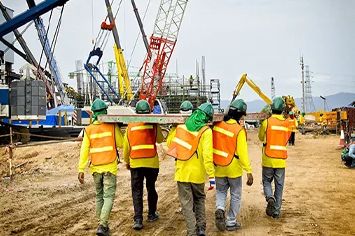
Workers compensation prevents most lawsuits by injured employees. Redvo ensures agencies follow all legal obligations.
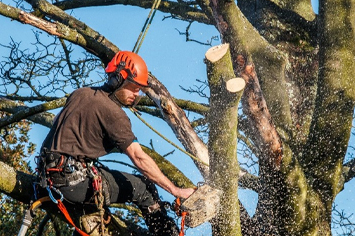
Providing workers compensation shows employees that their safety matters. This builds trust and reduces turnover.

Clients prefer staffing agencies with proper coverage. Redvo helps agencies build credibility and secure better contracts.
Conclusion
Workers Compensation For Staffing Agencies In Hawaii is an important part of protecting a staffing company, its employees, and its client relationships.
Staffing agencies face a unique challenge because employees may work under the direction of different client companies and in different workplace environments. That makes accurate employee information, job classifications, payroll, assignment details, safety communication, and injury reporting especially important.
A staffing agency should not choose workers compensation coverage based only on price. The policy should reflect the actual people the agency employs and the work those employees perform. If you are looking for Workers Comp Insurance For Staffing Agencies In Hawaii, Redvo Insurance Solutions can help you review your business information and workers compensation needs. Call 1-800-411-0733 or fill out the inquiry form to discuss your coverage and request a quote.

Frequently Asked Questions
Is workers compensation required for staffing agencies in Hawaii?
Generally, employers with one or more full-time or part-time, permanent or temporary employees must provide workers compensation coverage unless an applicable exclusion applies.
Does Hawaii require workers compensation for temporary employees?
Temporary employees are generally included within Hawaii’s workers compensation requirement. Being a temporary employee by itself does not remove the worker from coverage requirements.
Who pays for workers compensation insurance in Hawaii?
Workers compensation insurance is an employer responsibility. Hawaii states that an employer cannot require employees to contribute toward workers compensation insurance premiums.
Who is responsible when a staffing employee is injured at a client location?
The staffing agency and host employer may have different responsibilities. Their employment relationship, contract, insurance arrangements, and applicable law should be reviewed to determine the responsibilities in a specific situation.
How quickly should a staffing employee report an injury?
An employee should report a work injury to the supervisor or employer immediately. Hawaii DCD advises prompt reporting of work injuries.
How quickly must an employer report a qualifying injury?
When an injury causes the applicable absence or requires medical treatment beyond ordinary first aid, the employer must report the work injury to the Hawaii Disability Compensation Division within seven working days of knowledge of the injury.
Can a staffing agency be self-insured in Hawaii?
Yes, Hawaii allows an employer to become self-insured if it meets the state’s requirements and receives the required approval.
How much does workers compensation cost for a staffing agency in Hawaii?
There is no single price for every staffing agency. Premiums can vary based on payroll, employee classifications, assignments, claims history, operations, and other underwriting factors.
How can a staffing agency reduce workers compensation costs?
Accurate employee classifications, proper payroll reporting, safety coordination, careful assignment screening, employee training, and effective claims management can help control workplace losses.
Where can I get workers compensation insurance for a staffing agency in Hawaii?
Staffing agencies can purchase workers compensation insurance from authorized insurance carriers. An insurance professional can help review the agency’s operations and coverage needs.
How can I get a workers compensation quote for my staffing agency?
Prepare information about your employees, payroll, job duties, client assignments, operations, and claims history. You can call Redvo Insurance Solutions at 1-800-411-0733 to discuss your workers compensation needs and request a quote.