
Solar Workers Comp
Protecting Your Team: The Critical Need for Solar Workers Comp and Solar Installer Workers Compensation
The solar energy industry is experiencing explosive growth. As the world pivots towards renewable energy, the demand for solar installations has skyrocketed, placing a massive workforce on rooftops and construction sites across the nation. However, with this rapid expansion comes a sobering reality: solar installation is one of the most dangerous jobs in the construction sector.
For business owners in this field, ensuring the safety and well-being of employees is not just a legal and ethical obligation; it is a fundamental business necessity. Understanding the unique risks of the job and securing the right coverage through Solar Workers Comp and Solar Installer Workers Compensation is essential for protecting your team and your company.
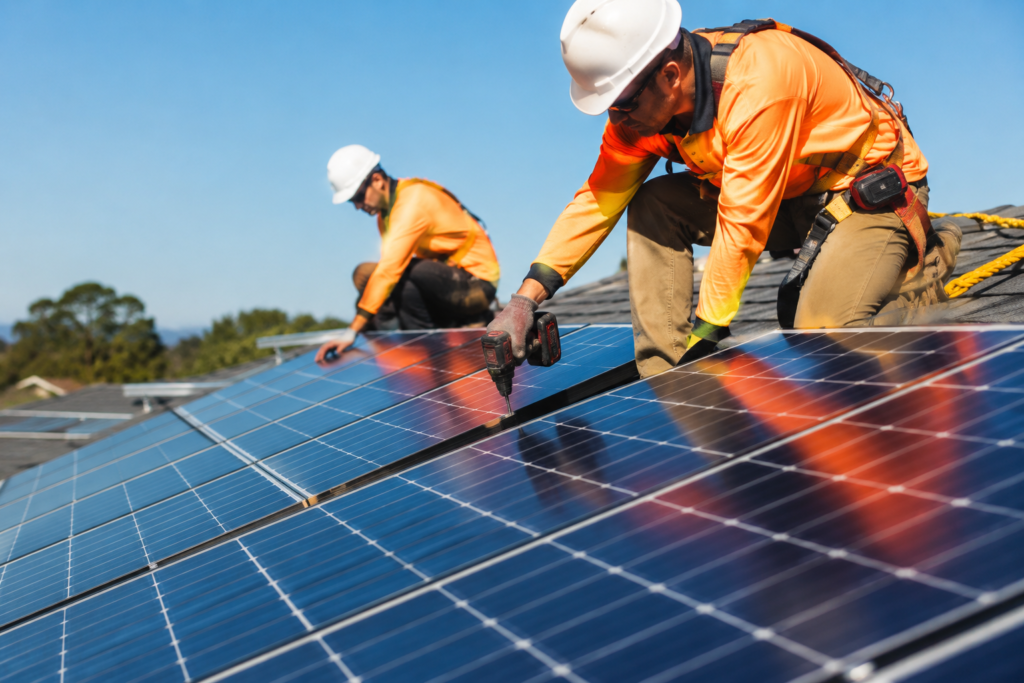
The Inherent Risks of Solar Installation
Solar installers face a unique combination of hazards that make their work particularly perilous. According to industry reports and safety organizations, these risks are significant and cannot be overlooked.
One of the primary dangers is falls from heights. Since many solar panels are installed on rooftops, workers are constantly exposed to the risk of serious injury or death from falls. This risk is so prevalent that fall protection is a major focus of safety training. Organizations like OSHA have specific guidelines for warning lines and fall arrest systems to mitigate these dangers. Fatal accidents involving rooftop falls have led to significant penalties for companies, underscoring the need for vigilance .
Beyond falls, electrical hazards are a constant threat. Solar panels generate electricity, and workers are exposed to both DC and AC electrical systems. Even in low-light conditions, solar panels can produce a dangerous charge. Electrical burns from solar panels make up a significant proportion of electrical injuries treated at burn centers, with incidents occurring during installation, maintenance, and cleaning .














Why Specialized Coverage Matters for Your Business
Generic workers’ compensation policies often fail to adequately cover the unique and elevated risks of the solar industry. This is why specialized Solar Workers Comp and Solar Installer Workers Compensation are critical.
These policies are specifically designed to address the “high-risk” classifications of solar work. For instance, specialized products define workers as “solar installation and repair” (often categorized as a Class 5 occupation), ensuring that coverage is tailored to the specific tasks they perform daily . When you choose a policy that focuses on this field, you ensure that injuries related to falling from heights, electrical shocks, and handling heavy equipment are covered. A standard policy might have exclusions or limitations for these specific activities, leaving your business exposed to massive out-of-pocket costs in the event of a claim.
One of the biggest advantages of specialized coverage is the availability of high liability limits. Because the risks are greater, the potential for severe, life-altering injury is high. Policies tailored for the solar industry can provide up to $1 million in coverage for injuries, protecting your company from devastating financial loss resulting from a serious workplace accident .
Key Protections to Look For
When selecting a policy, it’s important to know what a robust plan should include. A high-quality Solar Installer Workers Compensation plan should offer:
- Comprehensive Medical Coverage: Full coverage for medical treatments, surgeries, and rehabilitation for work-related injuries.
- Disability and Lost Wages: Income replacement for employees who are unable to work due to their injuries.
- Death and Dismemberment Benefits: Financial protection for families in the tragic event of a fatality.
Beyond these basics, industry-specific policies often include valuable features like accidental death and dismemberment (AD&D) coverage, which provides additional benefits for severe injuries. Some policies also offer a “loss of use” benefit, which pays out a lump sum if a worker loses the use of a body part, such as an arm or leg, further emphasizing the severe nature of potential injuries in this high-risk field .
The Link Between Safety and Coverage
While having the right insurance is your financial safety net, a strong safety culture is your first line of defense. It is important to note that robust Solar Workers Comp coverage doesn’t replace the need for comprehensive safety training.
Ensuring your crew holds an OSHA 10-Hour Construction certification is crucial. This training equips workers to identify hazards like falls, electrical risks, and improper use of personal protective equipment (PPE) . It’s a baseline requirement that shows a commitment to safety and can reduce the frequency of accidents.
Investing in both safety training and a specialized insurance policy is a proactive approach that protects your most valuable assets—your employees. Failing to do so can lead to devastating consequences, as one in four solar installers in some regions have reportedly seen or experienced a work-related injury .
Conclusion
The solar industry is powering a cleaner future, but it comes with significant responsibilities. The physical demands and hazards of the job make Solar Workers Comp and Solar Installer Workers Compensation non-negotiable aspects of running a successful and ethical business.
By securing specialized coverage, you demonstrate a commitment to your team’s welfare and build a resilient business capable of weathering the financial impact of on-the-job accidents. For industry leaders, protecting the workforce is the key to long-term success.
Frequently Asked Questions
Are there coverage options for small solar startups with limited budgets?
Absolutely. Many insurance providers offer flexible payment plans and policies tailored to the size and scope of smaller solar businesses.
What makes Solar Workers Comp different from standard workers' comp?
A standard workers’ compensation policy often classifies solar installers under general construction codes, which may not fully account for the unique risks of rooftop work and electrical exposure.
Does the policy cover subcontractors I hire?
Typically, no. Your Solar Installer Workers Compensation policy generally only covers your direct W-2 employees. If you hire 1099 subcontractors, they are responsible for carrying their own coverage.
What should I do immediately after a workplace injury?
Your first priority is to seek emergency medical attention for the injured worker. Next, you must file a claim with your Solar Workers Comp provider as soon as possible.
How can I lower my Solar Installer Workers Compensation premiums?
The most effective way to reduce your premiums is to maintain a strong safety record. Investing in OSHA 10-Hour training for your crew, implementing rigorous fall protection protocols, and conducting regular safety audits can significantly lower your experience modification factor (EMR), which directly influences your insurance costs.