
Solar Panel Installer Workers Compensation Insurance performs an essential position in defending personnel and helping the economic steadiness of photo voltaic set up businesses. The bodily nature of set up work skill that groups must take place of business protection and insurance plan planning seriously. Appropriate coverage, mixed with worker coaching and high-quality protection procedures, can assist groups reply greater confidently when work-related accidents occur. Because necessities and coverage phrases vary, photo voltaic organizations have to overview their character instances and achieve expert instruction when choosing coverage.
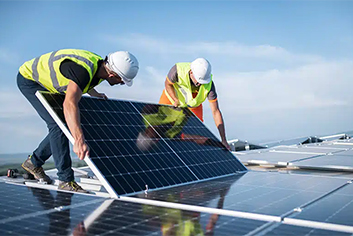
Solar Panel Installer Workers Compensation Insurance
The solar energy industry is expanding rapidly as more homeowners, businesses, and organizations look for cleaner and more efficient ways to generate electricity. Behind every successful solar installation is a team of skilled workers who handle panels, electrical equipment, tools, ladders, and other materials. Because the work can involve physical and job-site risks, having appropriate Solar Panel Installer Workers Compensation Insurance is an important part of running a responsible solar installation business.
Workers compensation insurance is designed to provide financial protection when an employee suffers a work-related injury or illness. For solar installation companies, this coverage can help employees receive benefits for eligible medical treatment and lost wages while also helping the business manage the financial consequences of workplace accidents. Requirements and coverage rules can vary depending on the state, business structure, and employment situation, so companies should review applicable regulations and their individual insurance needs.
1. Why Workers Compensation Insurance Matters for Solar Installers
Solar panel installation is hands-on work that often takes place on rooftops, construction sites, commercial properties, and other environments where conditions can change quickly. Workers may need to climb ladders, carry equipment, work at heights, use electrical tools, and move heavy or awkward materials.
Even when a company follows strong safety procedures, accidents can still happen. A worker could suffer an injury while lifting equipment, experience a fall, or become injured while handling tools or materials. Workers compensation insurance can provide a structured way to address eligible work-related injuries without placing the entire financial burden on the employee or employer.
For business owners, this coverage can also support a more stable workplace. Employees are more likely to feel confident when they know their employer has taken steps to address workplace injury risks and provide appropriate protection.
What Can Workers Compensation Insurance Cover?
The exact benefits depend on the policy and applicable state laws, but workers compensation may help with eligible expenses related to workplace injuries or illnesses. Depending on the circumstances, coverage may include medical care, a portion of lost wages, rehabilitation services, or disability benefits.
For example, if a solar installer is injured while performing an installation and cannot immediately return to work, workers compensation may provide benefits according to the applicable rules. The policy can also help the employer manage costs associated with the claim.
It is important to understand that workers compensation is not a substitute for general liability or other business insurance. Each type of coverage addresses different risks, which is why solar installation businesses often need a broader insurance strategy.
Common Risks Faced by Solar Installation Workers
Solar installers can encounter several types of workplace hazards. Roof work can create fall risks, while construction environments may involve uneven surfaces, moving equipment, and other hazards. Electrical work can also require careful procedures and appropriate training.
Workers may additionally experience strains or injuries from lifting solar panels, mounting systems, batteries, tools, and other equipment. Weather conditions can introduce further challenges, particularly when employees work outdoors for extended periods.
A strong workplace safety program should therefore work alongside appropriate insurance coverage. Training, protective equipment, fall-prevention procedures, equipment inspections, and clear communication can help reduce avoidable incidents.
Choosing Suitable Coverage for Your Solar Business
When evaluating workers compensation insurance, business owners should consider the size of their workforce, the type of solar projects they undertake, where employees work, payroll, job duties, and the company’s claims history. A small residential installation company may have different insurance requirements from a larger contractor working on commercial or utility-scale projects.
It can be useful to work with an insurance professional who understands construction and renewable-energy businesses. They can help identify relevant risks, explain policy terms, and determine whether additional coverage may be appropriate.
Businesses should also review their policies regularly. As a solar company grows, it may hire additional employees, expand into new states, add electrical services, or begin handling larger projects. Changes like these can affect insurance requirements and coverage needs.
Workers Compensation and Employee Confidence
Insurance is not only about financial protection. It can also contribute to a company’s reputation and workplace culture. Solar installation requires skilled employees who often work in demanding environments. Demonstrating a commitment to employee safety can help businesses attract and retain qualified workers.
Clear procedures for reporting injuries are equally important. Employees should understand whom to contact after an accident and how the claims process works. Prompt reporting and proper documentation can help prevent confusion and allow claims to be handled more efficiently.
The Importance of Understanding State Requirements
Workers compensation rules are not identical across the United States. Requirements can vary based on factors such as the number of employees, business classification, ownership structure, and state law. Some states may have specific requirements or exemptions that apply to certain businesses or workers.
For this reason, solar installation companies should not assume that a policy designed for another business or state will automatically meet their obligations. Checking current state requirements and discussing the business with a qualified insurance professional can help owners avoid potentially costly gaps or compliance problems.
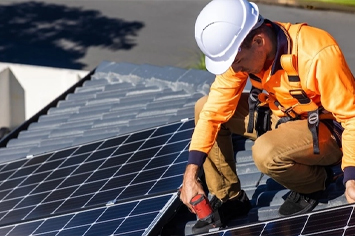
Financial Protection
Redvo covers medical bills, lost wages, and rehabilitation costs. This protects agencies from paying claims out of pocket.
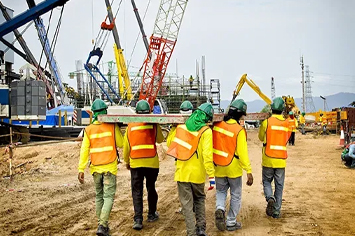
Legal Safeguards
Workers compensation prevents most lawsuits by injured employees. Redvo ensures agencies follow all legal obligations.
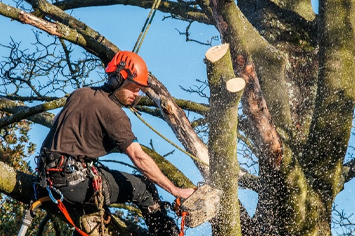
Employee Retention
Providing workers compensation shows employees that their safety matters. This builds trust and reduces turnover.

Client Confidence
Clients prefer staffing agencies with proper coverage. Redvo helps agencies build credibility and secure better contracts.
Conclusion

Frequently Asked Questions
Do photo voltaic panel installers want people compensation insurance?
In many situations, employers are required to elevate people compensation insurance for eligible employees, but necessities range through kingdom and commercial enterprise circumstances. Solar corporations ought to take a look at the policies relevant to their vicinity and workforce.
What does people compensation cowl for photo voltaic installers?
Depending on the coverage and relevant law, people compensation may also grant advantages for eligible work-related accidents or illnesses, together with scientific cure and partial wage replacement.
Does employees compensation cowl harm to a customer's property?
Generally, people compensation is supposed to tackle worker work-related accidents and ailments as a substitute than consumer property damage. Businesses may additionally want commonplace legal responsibility insurance plan for different sorts of risks.
Can people compensation shield a photo voltaic set up enterprise from each and every claim?
No. Workers compensation addresses precise worker harm and sickness risks. Solar organizations may additionally require extra insurance plan for liability, vehicles, tools, equipment, property, and different exposures.
How can a photo voltaic business enterprise pick out the proper people compensation policy?
Businesses ought to reflect onconsideration on worker duties, payroll, venture types, locations, claims history, and prison requirements. Speaking with an insurance plan expert acquainted with photo voltaic and building organizations can assist discover fabulous coverage.
Is workers compensation required for small solar installation companies?
Requirements vary by state, employee count, business structure, and other factors. Small solar businesses should check their state’s current requirements and consult a qualified insurance professional.
Does workers compensation cover subcontractors working on solar projects?
Not necessarily. The treatment of subcontractors can depend on state law, the contractor’s classification, and the specific insurance arrangement. Businesses should verify coverage before allowing subcontractors to begin work.
How often should a solar company review its workers compensation insurance?
A business should review its coverage whenever there are significant changes in employees, payroll, services, project locations, or business operations. Regular reviews can help identify potential coverage gaps.