
The solar energy industry stands at a pivotal moment of growth and opportunity. As more workers join the renewable energy workforce, ensuring their protection through adequate workers compensation insurance becomes increasingly important. Companies that prioritize comprehensive coverage create safer work environments, attract better talent, and build stronger reputations in the clean energy sector. By understanding and investing in proper workers compensation insurance, solar businesses demonstrate their commitment to both their employees’ wellbeing and the sustainable growth of the industry.

The solar energy sector is experiencing explosive growth, with US solar manufacturing capacity growing 400% in just two years. As the industry expands, thousands of workers are taking on physically demanding roles installing panels, maintaining infrastructure, and working at heights to build the clean energy future. This rapid scaling has brought critical attention to the essential need for robust workers compensation insurance in the solar industry.
Understanding the Critical Role of Workers Compensation in Solar
Solar Energy Company Workers Compensation Insurance serves as the backbone of employee protection in the solar sector. It provides coverage for medical expenses, lost wages, and rehabilitation costs when workers experience job-related injuries or illnesses. For solar employers, it represents both a legal obligation and a moral commitment to the workforce powering the renewable energy transition.
What Solar Workers Compensation Insurance Covers
A comprehensive workers compensation policy for solar energy companies typically addresses several specific workplace risks. Medical care coverage includes doctor visits, hospital stays, surgeries, medications, and ongoing treatment for work-related conditions. Disability benefits replace a portion of lost income when workers cannot perform their duties due to injury. Rehabilitation support helps injured employees return to work through physical therapy or vocational training.
The Unique Risk Landscape of Solar Work
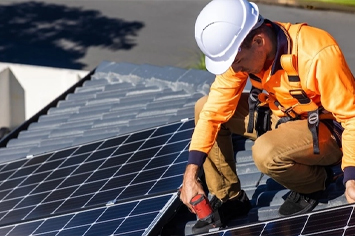
Solar installation and maintenance workers face distinctive workplace hazards that make proper insurance critical. Working at heights on rooftops and elevated structures creates significant fall risks. Electrical hazards pose dangers during panel installation and system connection. Heat illness is a major concern, particularly during utility-scale installation projects.
In fact, research from the Cornell University Climate Jobs Institute found that nearly half of solar installers surveyed had experienced heat-related illness while working, and seven percent reported witnessing someone die on the job. Additionally, 46 percent of solar installers surveyed said they did not receive health insurance from their employer.
Legal Requirements and Compliance Considerations
Most states mandate that businesses with employees carry workers compensation insurance. For solar companies, this legal requirement cannot be overlooked. Beyond compliance, providing workers compensation coverage demonstrates commitment to workforce safety and wellbeing. Companies like Trinasolar maintain 100% social insurance coverage rates for their employees, setting an industry standard for worker protection.
What Policies Typically Include
Standard solar energy workers compensation policies offer coverage for:
Injury protection for all job-related accidents – Whether a worker falls from scaffolding or suffers an electrical shock, medical expenses and lost wages are covered regardless of who was at fault.
Occupational disease coverage – Conditions that develop over time due to workplace exposure are included under most policies.
Death and survivor benefits – In cases of fatal workplace incidents, surviving family members receive financial support.
Liability protection for employers – Policies shield companies from lawsuits related to workplace injuries while ensuring workers receive proper care.
The Cost of Non-Compliance
Solar companies that fail to maintain adequate workers compensation insurance risk severe consequences. These include state-imposed fines and penalties, potential business license revocation, and personal liability for business owners. More importantly, inadequate coverage leaves workers vulnerable and damages company reputation in the renewable energy sector.
Choosing the Right Workers Compensation Insurance
Selecting an appropriate workers compensation policy requires careful consideration. Companies should assess their specific risk profile based on the nature of their solar work, whether residential installation, utility-scale projects, or maintenance services. Working with an insurance broker who understands the renewable energy industry ensures proper coverage selection.
A Point to Remember
Workers compensation insurance is not just a mandatory expense but a strategic investment in workforce stability and company reputation in the booming solar industry.
Recent Posts
September 18, 2026
September 18, 2026
Financial Protection
Redvo covers medical bills, lost wages, and rehabilitation costs. This protects agencies from paying claims out of pocket.
Legal Safeguards
Workers compensation prevents most lawsuits by injured employees. Redvo ensures agencies follow all legal obligations.

Employee Retention
Providing workers compensation shows employees that their safety matters. This builds trust and reduces turnover.

Client Confidence
Clients prefer staffing agencies with proper coverage. Redvo helps agencies build credibility and secure better contracts.
Conclusion

Frequently Asked Questions
What is the average cost of workers compensation insurance for solar companies?
Costs vary based on factors like company size, claims history, and specific operations, but solar installation work has higher premiums than general office work due to increased physical hazards.
Are independent contractors in solar required to have workers compensation?
Generally, independent contractors are responsible for their own coverage, but misclassifying employees as contractors to avoid providing coverage is illegal and carries significant penalties.
Does workers compensation cover heat illness for solar workers?
Yes, heat illness that occurs during the course of employment is typically covered as a workplace injury, provided proper medical documentation supports the claim.
What happens if a solar worker gets injured and the company doesn't have insurance?
The company faces legal penalties, fines, and potential lawsuits, while the injured worker may need to pursue claims through state workers compensation funds or legal action against the employer.
Can solar companies implement safety programs to reduce insurance costs?
Yes, implementing comprehensive safety programs, providing proper training, and maintaining good safety records can help lower workers compensation premiums over time.
What happens to workers compensation coverage when a solar worker returns to light-duty work?
Most states require workers to report workplace injuries within 30 to 90 days, depending on the jurisdiction. However, it is always best to report any injury immediately to avoid claim denials or delays in receiving benefits.
Does workers compensation cover travel-related injuries for solar workers?
Yes, if a solar worker is injured while traveling between job sites, running work-related errands, or commuting in a company vehicle, these injuries are typically covered under workers compensation as they occur within the scope of employment.
How long does a solar worker have to report a workplace injury for compensation?
When a worker returns to light-duty or modified work assignments, workers compensation benefits may be adjusted to reflect the reduced hours or wages. Partial disability benefits may continue until the worker fully recovers and can resume regular duties.