
Residential photo voltaic set up is a lucrative enterprise that helps construct a sustainable future. However, the bodily needs of the job imply that employers ought to prioritise the protection and well-being of their workforce. Residential Solar Installer Workers Compensation Coverage is the basis of that protection.

Residential Solar Installer Workers Compensation Coverage
The residential photo voltaic enterprise is experiencing exceptional boom as householders increasingly more include renewable strength solutions. However, below the floor of this booming area lies a harsh reality: roofing and electrical work are inherently hazardous occupations. For enterprise proprietors in this field, Residential Solar Installer Workers Compensation Coverage is now not basically a felony requirement—it is the monetary spine of your enterprise survival.
Why Standard Workers Comp Policies Are Inadequate
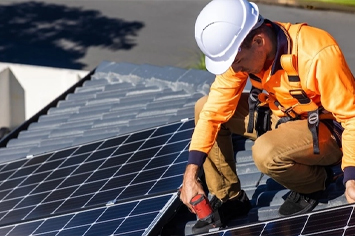
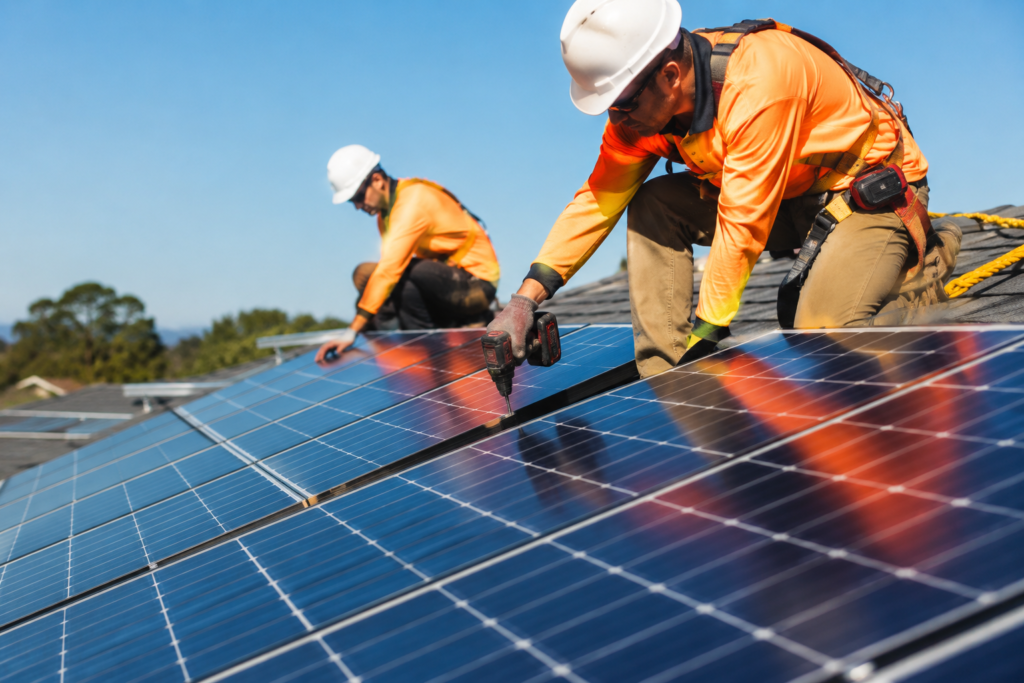
Many photo voltaic employer proprietors make the fundamental mistake of treating workers’ compensation as a time-honored expense, bundling it with fashionable insurance policies that fail to tackle the particular dangers of photo voltaic installation. General contractors and electricians face one of a kind risks than residential photo voltaic installers. Your crew is now not simply jogging wires; they are carrying heavy gear up ladders, drilling into complicated roofing materials, and working beneath severe heat.
A trendy workers’ comp coverage regularly classifies photo voltaic installers beneath a universal “construction” code. However, the roofing code is extensively extra pricey than the prevalent electrical wiring code. If you misclassify your personnel to keep money, you are committing top class fraud. When an harm occurs, the insurance plan business enterprise will check out and, upon discovering that your electrician used to be surely putting in roof-mounted racks, will deny the declare and back-charge you for the distinction in premium—a state of affairs that can bankrupt a small enterprise.
The Unique Risks Facing Solar Installers
Understanding the particular risks of the job is vital for securing the proper coverage. Solar installers face a special aggregate of dangers that area them in a “high-risk” class for insurers.
Fall Hazards: This is the variety one killer in construction. Residential roofs are steep, slippery, and regularly fragile. Working with cumbersome photo voltaic panels throws off an installer’s centre of gravity, growing the threat of slips and falls. The U.S. Department of Labor lately fined Sunrun Installation Services $288,087 for exposing employees to lethal fall risks twice inside three months, highlighting the serious penalties of insufficient security measures.
Electrical Shock: Even with the electricity became off, saved strength and inaccurate wiring can motive deadly electrocution.
Heat Stress: Solar installers work throughout height daylight hours. Heat exhaustion and warmness stroke are common, main to accidents and long-term fitness issues.
Musculoskeletal Injuries: Lifting 60-pound panels overhead persistently leads to shoulder, back, and knee harm requiring pricey surgery.
Hidden Roof Defects: Residential roof decking can show up structurally sound whilst being drastically compromised under via water damage, rot, or termite activity. A pursuits set up can flip into a serious fall damage when hid structural deterioration fails underneath an installer.
Understanding Workers Comp Requirements and Coverage
Most states mandate Workers’ Compensation insurance for organizations with even one employee. California units the strictest standard, requiring workers’ compensation with one or greater employees. While Texas has no state-level mandate, most ordinary contractors and business property proprietors require proof of insurance as a situation of contract.
A complete workers’ compensation coverage for residential photo voltaic installers generally covers 5 key areas:
Medical Expenses: Emergency room visits, surgeries, clinic stays, bodily therapy, and prescription medicinal drugs ensuing from work-related injuries.
Disability Benefits: A element of misplaced wages if an installer is unable to work due to injury.
Rehabilitation Costs: Physical and vocational rehabilitation to assist injured employees get better or retrain for one-of-a-kind roles.
Death Benefits: Financial help to dependents and funeral fees in the tournament of a administrative center fatality.
Legal Defence: Coverage for felony charges and courtroom prices if an worker sues the organisation for an injury.
The High Cost of Underinsurance and Non-Compliance
Many small residential photo voltaic organizations strive to reduce corners by means of underreporting payroll or classifying installers as “independent contractors” to retailer on premiums. This is a unsafe gamble.
If a employee is injured and it is determined they had been misclassified, the business enterprise turns into accountable for all damage expenses plus heavy fines. Furthermore, underinsurance can end result in stop-work orders from the nation workers’ compensation board, halting all energetic tasks till desirable insurance is secured. The loss of enterprise income at some stage in that downtime regularly some distance exceeds the fee of the insurance plan top rate itself.
How to Lower Premiums Without Sacrificing Coverage
While workers’ compensation expenses can be excessive for the development industry, professional techniques exist to manipulate expenses:
Invest in Safety Training: Insurance carriers reward organizations that prioritise safety. Regular education on ladder safety, acceptable lifting techniques, and electrical protection reduces claims.
Maintain a Clean Claims History: A decrease Experience Modification Rate (EMR) interprets to decrease premiums. Implementing a strong protection application is the pleasant way to preserve your EMR low.
Accurate Payroll Audits: Ensure employees are labeled effectively and subcontractors raise their personal insurance policies to keep away from being counted on your payroll.
Work with a Specialist: Partner with insurance plan professionals who recognize the photo voltaic enterprise and can assist navigate complicated type codes to locate the pleasant charges.
A Singular Focus on Employee Protection
Workers’ compensation is greater than simply a compliance checkbox—it is about worker retention and morale. When technicians understand they are protected if some thing goes wrong, they sense valued. In a aggressive labour market, imparting complete advantages helps appeal to and maintain expert labour. Investing in desirable insurance is an funding in your crew and your business’s future.
Financial Protection
Redvo covers medical bills, lost wages, and rehabilitation costs. This protects agencies from paying claims out of pocket.
Legal Safeguards
Workers compensation prevents most lawsuits by injured employees. Redvo ensures agencies follow all legal obligations.

Employee Retention
Providing workers compensation shows employees that their safety matters. This builds trust and reduces turnover.

Client Confidence
Clients prefer staffing agencies with proper coverage. Redvo helps agencies build credibility and secure better contracts.
Conclusion
Frequently Asked Questions
Is workers' compensation required for residential photo voltaic installers?
In most states, yes. If you have even one employee, you are typically required to elevate workers’ compensation insurance. Requirements range with the aid of state, with California being one of the strictest.
What dangers are mainly protected for photo voltaic installers?
Workers’ comp covers accidents from fall hazards, electrical shocks, warmness stress, musculoskeletal accidents from heavy lifting, and even accidents from hidden roof defects like structural deterioration.
How are workers' comp premiums calculated for photo voltaic installers?
Premiums are decided through classification codes, payroll, and the company’s Experience Modification Rate (EMR). Solar installers are regularly labeled beneath particular codes that replicate their greater danger degrees.
What occurs if I misclassify my personnel to keep money?
Misclassification is regarded top class fraud. If an damage occurs, the insurance plan corporation will investigate, deny the claim, and back-charge you for the distinction in premium. You may additionally additionally face kingdom penalties.
Misclassification is regarded top class fraud. If an damage occurs, the insurance plan corporation will investigate, deny the claim, and back-charge you for the distinction in premium. You may additionally additionally face kingdom penalties.
Can I use time-honored legal responsibility insurance plan rather of workers' comp?
No. General legal responsibility covers injury to client property, now not accidents to your employees. Without workers’ comp, you are individually responsible for scientific payments and misplaced wages if an worker is injured on the job.
What does workers compensation coverage protect residential solar installers from?
Workers compensation generally helps cover medical expenses, lost wages, rehabilitation, and certain benefits when an employee suffers a work-related injury or occupational illness. Solar installation can involve rooftop falls, electrical hazards, and strenuous physical work, making this coverage particularly important.
Workers compensation generally helps cover medical expenses, lost wages, rehabilitation, and certain benefits when an employee suffers a work-related injury or occupational illness. Solar installation can involve rooftop falls, electrical hazards, and strenuous physical work, making this coverage particularly important.
Is workers compensation required for residential solar installation businesses?
In the U.S., workers compensation requirements vary by state, including rules based on the number of employees and type of work. Solar businesses should check their state’s specific requirements and maintain appropriate coverage for eligible employees.
Does workers compensation automatically cover solar installation subcontractors?
Not necessarily. Coverage typically applies to eligible employees, while subcontractors may need their own workers compensation coverage depending on their classification and the applicable state rules. Solar companies should verify subcontractors’ insurance certificates before work begins.