
For solar firms, workers’ compensation insurance serves as both legal compliance and strategic business protection. By understanding unique industry risks and implementing proactive safety measures, solar companies can secure appropriate coverage, control costs, and build a reputation as responsible employers in the rapidly growing renewable energy sector.

Why Solar Firms Face Unique Risks
The solar energy industry is experiencing unprecedented growth, with solar capacity expanding dramatically year-over-year. Renewable Energy Workers Compensation Insurance for Solar Firms As solar installation companies scale operations, they face workplace hazards that distinguish them from standard construction businesses. Unlike general contractors, solar installers work primarily on rooftops, handling heavy glass panels while managing live electrical systems. The Occupational Safety and Health Administration (OSHA) identifies falls as the leading cause of death in construction, and solar workers are particularly vulnerable.
Workers’ compensation insurance for solar firms has become not merely a legal requirement but a fundamental pillar of business strategy. This specialized coverage provides financial protection when employees suffer job-related injuries, covering medical expenses, lost wages, and rehabilitation services while shielding employers from potentially devastating lawsuits.
Understanding Legal Requirements
Navigating workers’ compensation requirements can be complex for solar businesses. Currently, 49 states require businesses with employees to carry workers’ compensation insurance, with penalties for non-compliance ranging from hefty fines to business license suspension. However, specific requirements vary significantly by jurisdiction.
California, the largest solar market, mandates that contractors with one or more employees secure workers’ compensation coverage. The Contractors State License Board requires proof of coverage for permit approval and inspection scheduling. Other states like Texas make coverage optional for private employers, though most general contractors and municipal permitting departments demand proof of insurance before allowing work to proceed. New York presents unique challenges through its Scaffold Law, which imposes absolute liability on contractors for gravity-related injuries.
What Solar Workers’ Compensation Covers
A comprehensive workers’ compensation policy for solar installers covers several critical areas:
Medical Benefits: Emergency care, hospital stays, surgeries, physical therapy, and prescription medications related to workplace injuries.
Wage Replacement: A portion of lost wages (typically about two-thirds of average weekly pay) when employees cannot work due to injury.
Disability Benefits: Compensation based on the severity of permanent damage from workplace accidents.
Employer Liability Protection: Legal defense and settlement costs if an employee sues for negligence.
Managing Insurance Costs
Workers’ compensation premiums for solar contractors typically range from $1,500 to $5,000 annually for small installers, with mid-size operations paying $5,000 to $15,000 or more. Costs depend on several factors: state regulations, payroll, number of employees, project types, and claims history.
Solar firms can lower their premiums through proactive safety management. Implementing OSHA 10-hour or 30-hour training programs, conducting daily safety briefings, and investing in proper lifting equipment demonstrate commitment to workplace safety and often qualify businesses for premium discounts. Working with specialized brokers ensures accurate classification codes—avoiding higher rates associated with roofing or general electrical classifications.
Perhaps the most effective cost-control measure is establishing a return-to-work program. When injured workers can perform light duties like inventory management or permit pulling, claim costs decrease and the experience modification factor (MOD) improves, reducing future premiums.
Safeguarding Your Business for Long-Term Success
As the solar industry continues to expand, workplace safety and financial protection remain paramount. For solar firms, workers’ compensation insurance is more than a legal formality—it demonstrates professionalism and commitment to employee well-being. In a tight labor market, offering comprehensive benefits helps attract and retain skilled installers. This coverage also provides peace of mind for business owners, protecting against the financial devastation that can result from a serious workplace accident. By securing the right coverage, solar companies protect their assets, maintain compliance, and build a reputation as responsible employers ready for long-term growth.
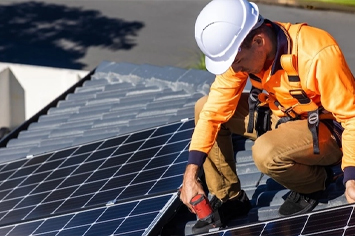
Financial Protection
Redvo covers medical bills, lost wages, and rehabilitation costs. This protects agencies from paying claims out of pocket.
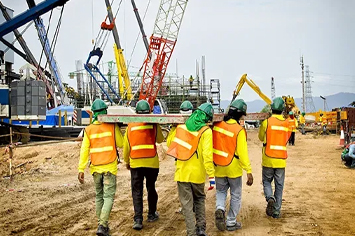
Legal Safeguards
Workers compensation prevents most lawsuits by injured employees. Redvo ensures agencies follow all legal obligations.

Employee Retention
Providing workers compensation shows employees that their safety matters. This builds trust and reduces turnover.

Client Confidence
Clients prefer staffing agencies with proper coverage. Redvo helps agencies build credibility and secure better contracts.
Conclusion

Frequently Asked Questions
Is workers' compensation required for residential photo voltaic installers?
In most states, yes. If you have even one employee, you are typically required to elevate workers’ compensation insurance. Requirements range with the aid of state, with California being one of the strictest.
What dangers are mainly protected for photo voltaic installers?
Workers’ comp covers accidents from fall hazards, electrical shocks, warmness stress, musculoskeletal accidents from heavy lifting, and even accidents from hidden roof defects like structural deterioration.
How are workers' comp premiums calculated for photo voltaic installers?
Premiums are decided through classification codes, payroll, and the company’s Experience Modification Rate (EMR). Solar installers are regularly labeled beneath particular codes that replicate their greater danger degrees.
What occurs if I misclassify my personnel to keep money?
Misclassification is regarded top class fraud. If an damage occurs, the insurance plan corporation will investigate, deny the claim, and back-charge you for the distinction in premium. You may additionally additionally face kingdom penalties.
Misclassification is regarded top class fraud. If an damage occurs, the insurance plan corporation will investigate, deny the claim, and back-charge you for the distinction in premium. You may additionally additionally face kingdom penalties.
Can I use time-honored legal responsibility insurance plan rather of workers' comp?
No. General legal responsibility covers injury to client property, now not accidents to your employees. Without workers’ comp, you are individually responsible for scientific payments and misplaced wages if an worker is injured on the job.
What does workers compensation coverage protect residential solar installers from?
Workers compensation generally helps cover medical expenses, lost wages, rehabilitation, and certain benefits when an employee suffers a work-related injury or occupational illness. Solar installation can involve rooftop falls, electrical hazards, and strenuous physical work, making this coverage particularly important.
Workers compensation generally helps cover medical expenses, lost wages, rehabilitation, and certain benefits when an employee suffers a work-related injury or occupational illness. Solar installation can involve rooftop falls, electrical hazards, and strenuous physical work, making this coverage particularly important.
Is workers compensation required for residential solar installation businesses?
In the U.S., workers compensation requirements vary by state, including rules based on the number of employees and type of work. Solar businesses should check their state’s specific requirements and maintain appropriate coverage for eligible employees.
Does workers compensation automatically cover solar installation subcontractors?
Not necessarily. Coverage typically applies to eligible employees, while subcontractors may need their own workers compensation coverage depending on their classification and the applicable state rules. Solar companies should verify subcontractors’ insurance certificates before work begins.