Workers Compensation Insurance for Framers

Workers Compensation Insurance for Framers Complete Protection Guide for Framing Contractors

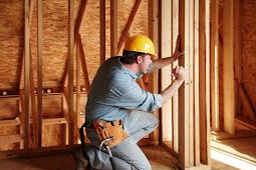
Framing is one of the most physically demanding and high-risk trades in the construction industry. Framers work with heavy lumber, power tools, nail guns, ladders, and elevated structures on active job sites. These conditions create daily exposure to serious injury risks, even for experienced professionals.

Framers Workers Compensation Insurance is designed to protect framing crews when injuries occur on the job while also shielding contractors from costly lawsuits and regulatory penalties. Alongside this, Workers Comp Insurance for Framing Contractors helps business owners meet legal requirements, protect employees, and maintain long-term financial stability.

Why Workers’ Compensation Is Critical for Framers

Framing work forms the structural backbone of residential and commercial construction projects. Because framing occurs early in the building process, job sites are often unfinished, uneven, and hazardous. Falls, equipment injuries, and material handling accidents are common.

Workers’ compensation insurance ensures injured employees receive medical treatment and wage replacement without placing financial strain on the employer. In return, employers receive protection from most employee injury lawsuits, making coverage essential for responsible framing operations.

Common Workplace Hazards in Framing

Framers face more risk than many other construction trades due to the nature of their work.
Common hazards include:

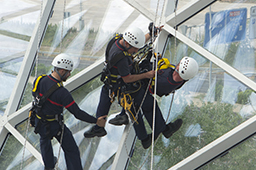
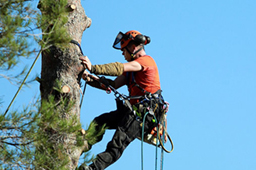
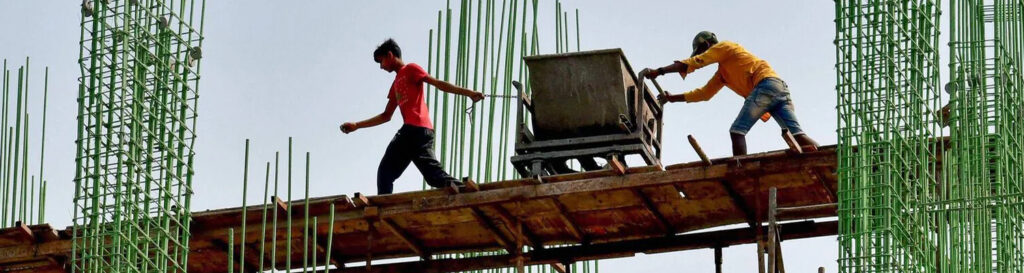
  • Falls from heights or scaffolding
  • Nail gun and power tool injuries
  • Strains from lifting heavy lumber
  • Cuts from sharp materials
  • Slips and trips on unfinished surfaces

Because of these dangers, insurers classify framing as a high-risk occupation and closely review safety practices when underwriting policies.

What Workers’ Compensation Covers for Framing Crews

Workers’ compensation insurance provides comprehensive benefits when framing employees are injured during job-related activities.
Typical coverage includes:

  • Medical treatment and emergency care
  • Physical therapy and rehabilitation
  • Temporary or permanent disability benefits
  • Partial wage replacement during recovery
  • Death benefits for dependents

This coverage allows injured workers to focus on healing while employers manage predictable injury-related costs.

Framing Workers Compensation Coverage Explained

Framing Workers Compensation Coverage applies to a wide range of roles, including rough framers, residential framers, commercial framing crews, and on-site supervisors. Coverage generally applies whether injuries occur during wall framing, roof framing, floor systems, or structural repairs.

Having Framing Workers Compensation Coverage also strengthens credibility with general contractors and project owners, many of whom require proof of insurance before allowing framing crews on site.

Who Needs Workers’ Compensation in Framing?

Any framing business with employees is typically required by state law to carry workers’ compensation insurance. This includes full-time, part-time, and seasonal workers. Even short-term laborers may need to be covered depending on state regulations.

Misclassifying employees as independent contractors is a common issue in framing and can lead to denied claims, fines, audits, and lawsuits. Proper classification protects both workers and business owners.

How Workers’ Compensation Premiums Are Calculated for Framers

Workers’ compensation premiums for framing contractors are influenced by multiple risk-related factors.
Key factors include:

  • Type of framing work performed
  • Number of employees
  • Total payroll
  • Claims history
  • Safety programs and training

Because framing is considered high risk, premiums may be higher than average. However, strong safety records can significantly reduce costs over time.

Reducing Workers’ Compensation Costs in Framing Businesses

Although workers’ compensation insurance is mandatory, framing contractors can take steps to manage and reduce costs.
Effective strategies include:

  • Comprehensive job-site safety training
  • Proper fall-protection equipment
  • Nail gun safety education
  • Regular tool and equipment inspections
  • Clear injury reporting procedures

Reducing claim frequency improves experience ratings and lowers long-term insurance expenses.

Construction Framers Workers Comp Insurance and Compliance

Construction Framers Workers Comp Insurance is essential for maintaining compliance with labor laws and construction regulations. Many states enforce strict penalties for non-compliance, including fines, stop-work orders, and license suspension.

Maintaining Construction Framers Workers Comp Insurance also improves business reputation, making it easier to secure contracts with general contractors, developers, and commercial clients.

Claims Management and Return-to-Work Programs

Efficient claims management plays a major role in controlling workers’ compensation costs. Prompt injury reporting, accurate documentation, and open communication with insurers lead to faster claim resolution.

Return-to-work programs are especially valuable for framing businesses. Injured employees may be assigned light duties such as material staging, site cleanup, or supervision tasks while recovering. This approach reduces lost-time claims and helps employees stay connected to the job.

Business Benefits Beyond Legal Compliance

Workers’ compensation insurance offers more than regulatory compliance for framing contractors.
Key benefits include:

  • Reduced legal and financial liability
  • Improved employee trust and morale
  • Predictable injury-related expenses
  • Stronger credibility with clients and partners

Well-insured framing businesses are better positioned for long-term growth and stability.

The Role of Workers Comp Insurance for Framing Contractors in Growth

As framing businesses expand, take on larger projects, or hire additional crews, insurance needs change. Maintaining accurate Workers Comp Insurance for Framing Contractors ensures coverage keeps pace with operational growth.

Similarly, reviewing Framers Workers Compensation Insurance regularly helps prevent coverage gaps during business expansion or project changes.

By prioritizing safety, maintaining compliance, and carrying comprehensive workers’ compensation insurance, framing contractors can protect their teams, control costs, and build a strong, sustainable business.

Frequently Asked Questions

Is workers’ compensation required for framing contractors?

Yes, most states require coverage for businesses with employees.

Yes, work-related falls are typically covered.

Yes, injuries caused by job-related equipment are covered.

Yes, part-time employees are usually included.

Yes, strong safety programs and fewer claims help lower premiums.

Requirements vary by state, but many owners choose coverage for protection.

Only if they are classified as employees or required by contract.

Penalties may include fines, lawsuits, and stop-work orders.

Scroll to Top