

Workers’ Compensation Insurance by Industry Costs, Coverage & Approval Tips
Workers’ compensation insurance is essential for businesses across every industry. It protects employees who suffer work-related injuries or illnesses while shielding employers from costly lawsuits and compliance penalties. However, Workers’ Compensation Insurance by Industry: Costs, Coverage & Approval Tips is not one-size-fits-all. Costs, coverage limits, and approval requirements vary significantly by industry due to different risk levels.
Understanding how workers’ compensation insurance works by industry helps business owners choose the right coverage, control costs, and secure faster policy approval. This guide explains industry-specific workers’ compensation costs, coverage differences, and practical approval tips.
What Is Workers’ Compensation Insurance?
Workers’ compensation insurance provides financial protection when an employee is injured or becomes ill because of their job. It typically covers medical expenses, lost wages, rehabilitation costs, and disability benefits.
In return, employees usually cannot sue their employer for workplace injuries. This system benefits both parties by reducing legal disputes and ensuring prompt care.
Most states legally require workers’ compensation insurance for businesses with employees, regardless of industry.
Why Workers’ Compensation Insurance Varies by Industry
Different industries present different workplace hazards. A construction worker faces more physical risks than an office administrator. Because of this, insurance carriers assess risk by industry and assign job classifications accordingly.
Key factors influencing industry-based workers’ compensation include:
- Injury frequency and severity
- Workplace hazards
- Historical claims data
- Payroll size
- Safety practices
Higher-risk industries generally pay higher premiums, while low-risk industries enjoy lower rates.
Workers’ Compensation Costs by Industry
Workers’ compensation costs are usually calculated per $100 of payroll. Rates vary by state and insurer, but industry risk plays the biggest role.
Low-Risk Industries
Examples include:
- Clerical offices
- Accounting firms
- Marketing agencies
- IT services
Typical Cost Range: Low
These industries have fewer physical hazards, resulting in lower injury rates and reduced premiums.
Moderate-Risk Industries
Examples include:
- Retail stores
- Restaurants
- Hospitality
- Healthcare offices
Typical Cost Range: Medium
These industries involve public interaction, standing for long periods, and moderate physical activity, increasing injury exposure.
High-Risk Industries
Examples include:
- Construction
- Manufacturing
- Roofing
- Tree services
- Transportation
Typical Cost Range: High
Heavy machinery, heights, and physical labor increase the likelihood of serious injuries, driving premiums higher.
Workers’ Compensation Coverage by Industry
While core coverage remains similar, specific industries often require enhanced protections.
Construction Industry Coverage
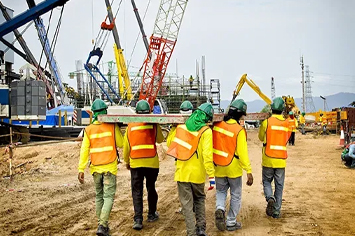
Construction workers face risks from falls, equipment accidents, and electrical hazards. Coverage often includes:
Recent Posts

Redvo covers medical bills, lost wages, and rehabilitation costs. This protects agencies from paying claims out of pocket.
Workers compensation prevents most lawsuits by injured employees. Redvo ensures agencies follow all legal obligations.

Providing workers compensation shows employees that their safety matters. This builds trust and reduces turnover.

Clients prefer staffing agencies with proper coverage. Redvo helps agencies build credibility and secure better contracts.
Conclusion
Workers’ compensation insurance for staffing agencies is complex, but avoidable mistakes can be costly. Misclassification, poor reporting, weak safety programs, and inadequate coverage put agencies at serious risk.

Frequently Asked Questions
Why does workers’ compensation insurance cost more in some industries?
Workers’ compensation insurance costs vary by industry because each industry has different risk levels. High-risk industries such as construction, manufacturing, and transportation experience more frequent and severe injuries, which leads to higher insurance premiums compared to low-risk office-based businesses.
What industries are considered high-risk for workers’ compensation insurance?
High-risk industries typically include construction, roofing, tree services, manufacturing, trucking, agriculture, and warehousing. These industries involve heavy equipment, physical labor, and hazardous environments, increasing the likelihood of workplace injuries.
Does workers’ compensation insurance coverage differ by industry?
The core coverage is similar across industries, including medical expenses and lost wages. However, some industries require additional coverage for specific risks such as machinery injuries, infectious diseases, or repetitive motion injuries, depending on job duties.
How can businesses improve workers’ compensation insurance approval chances?
Businesses can improve approval chances by maintaining accurate payroll records, implementing strong safety programs, managing claims effectively, and working with insurance carriers that specialize in their industry. A clean claims history also helps secure better rates and faster approvals.
Can a business lower workers’ compensation costs even in a high-risk industry?
Yes, businesses in high-risk industries can lower workers’ compensation costs by improving workplace safety, offering employee training, implementing return-to-work programs, and monitoring their experience modification rate (EMR). Proactive risk management plays a key role in reducing premiums.