Tree Service Workers Compensation

Tree Service Workers Compensation: Essential Protection for Tree Service and Arborist Businesses

Tree service work is one of the most dangerous professions in the outdoor services industry. Employees regularly climb tall trees, operate chainsaws, handle heavy branches, and work near power lines. These conditions make workplace injuries a constant risk, even for experienced professionals.

Tree service workers compensation is designed to protect employees injured on the job while also shielding business owners from serious financial and legal consequences. Carrying proper coverage is not only a legal requirement in most states but also a critical part of running a responsible and sustainable tree service operation.

Understanding Tree Service Workers Compensation Insurance

Tree Service Workers Compensation Insurance provides medical benefits, wage replacement, and disability coverage for employees injured while performing job-related duties. This includes injuries sustained during tree trimming, pruning, stump grinding, and cleanup operations.

Because tree service work is classified as high risk, insurers pay close attention to safety procedures, employee training, and claims history. Having this coverage ensures injured workers receive care promptly and employers avoid costly lawsuits.

Workers Compensation For Staffing Agencies

Why Tree Service Is Considered High Risk

Tree service and removal work exposes employees to multiple hazards on a daily basis.
Common risks include:

  • Falls from heights
  • Chainsaw and equipment injuries
  • Falling branches or trees
  • Electrical hazards from power lines
  • Muscle strains from heavy lifting

Due to these dangers, insurers classify tree service as a high-risk trade, resulting in higher premiums compared to many other service industries.

What Workers’ Compensation Covers for Tree Service Employees

Workers’ compensation policies for tree service companies provide comprehensive benefits designed to support injured workers and their families.
Coverage typically includes:

  • Medical treatment and emergency care
  • Physical therapy and rehabilitation
  • Temporary or permanent disability benefits
  • Partial wage replacement
  • Death benefits for dependents

This protection allows workers to recover without financial hardship while employers maintain predictable injury-related costs.

Workers Comp Insurance for Tree Service Companies Explained

Workers Comp Insurance for Tree Service Companies is essential for businesses that employ climbers, ground crew members, equipment operators, and administrative staff. Coverage applies whether injuries occur on residential properties, commercial sites, or municipal contracts.

Many clients and municipalities require proof of insurance before awarding contracts. Carrying Workers Comp Insurance for Tree Service Companies enhances credibility and helps secure higher-value projects.

Common Injuries in Tree Removal Operations

Tree removal is one of the most hazardous aspects of the industry. Injuries often occur during cutting, rigging, or cleanup phases.
Typical injuries include:

  • Lacerations from chainsaws
  • Head injuries from falling debris
  • Broken bones from falls
  • Crush injuries from heavy branches
Tree Removal Workers Compensation ensures these injuries are covered when they occur during job-related activities. Proper Tree Removal Workers Compensation protects both workers and business owners from severe financial strain.

Arborist-Specific Risks and Coverage Needs

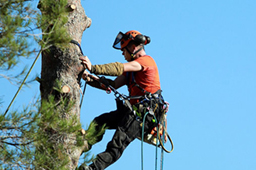
Certified arborists often perform specialized tasks such as tree health assessments, high-angle pruning, and disease treatment. These tasks involve climbing, precision cutting, and chemical exposure.

Arborist Workers Compensation Coverage is tailored to address the unique risks associated with professional arborist work. This coverage supports injuries related to climbing gear failures, falls, and repetitive motion. Maintaining Arborist Workers Compensation Coverage demonstrates professionalism and commitment to employee safety.

How Workers’ Compensation Premiums Are Calculated

Workers’ compensation premiums for tree service businesses depend on several risk-related factors.
Key pricing factors include:

  • Type of tree services offered
  • Number of employees
  • Total payroll
  • Claims history
  • Safety training programs

Businesses that invest in training and safety equipment often benefit from lower premiums over time.

Reducing Workers’ Compensation Costs in Tree Service

Although tree service insurance costs can be high, proactive safety management can significantly reduce expenses.
Effective strategies include:

  • Regular safety training sessions
  • Proper use of protective equipment
  • Equipment maintenance and inspections
  • Clear job hazard assessments
  • Strong injury reporting procedures
Fewer claims result in improved experience ratings and long-term cost savings.

Employee Classification and Legal Compliance

Correctly classifying workers is critical in the tree service industry. Misclassifying employees as independent contractors can lead to denied claims, audits, fines, and lawsuits.

Most climbers, ground crew members, and operators qualify as employees and must be covered under workers’ compensation policies. Proper classification protects both workers and employers.

Claims Management and Return-to-Work Programs

Effective claims management helps control workers’ compensation costs. Prompt injury reporting and clear documentation allow insurers to process claims efficiently.

Return-to-work programs are especially useful in tree service businesses. Injured employees may be able to perform light duties such as equipment maintenance or administrative tasks while recovering.

Business Benefits Beyond Legal Compliance

Workers’ compensation insurance offers benefits that extend beyond meeting legal requirements.
Key advantages include:

  • Reduced liability exposure
  • Improved employee morale and retention
  • Enhanced reputation with clients
  • Financial stability after workplace injuries

Tree service businesses with strong insurance coverage are better positioned for long-term growth.

The Importance of Long-Term Risk Management

As tree service companies expand, take on larger contracts, or hire additional crews, risk exposure increases. Reviewing insurance coverage annually ensures policies remain aligned with business operations.

Investing in safety culture, proper coverage, and experienced insurance partners helps tree service businesses thrive in a demanding industry.

By prioritizing safety, maintaining compliance, and carrying comprehensive workers’ compensation insurance, tree service companies can protect their workforce, control costs, and build a strong reputation in the industry.

Frequently Asked Questions

Is workers’ compensation required for tree service companies?

Yes, most states require coverage for businesses with employees.

Yes, if the injury occurs during job-related activities.

Yes, chainsaw-related injuries are typically covered.

Yes, part-time employees are usually included.

Yes, strong safety programs and fewer claims reduce premiums.

Requirements vary by state, but many owners choose coverage for protection.

Yes, climbing injuries sustained on the job are covered.

Penalties may include fines, lawsuits, and business shutdowns.

Scroll to Top