
Solar Installer Workers Compensation
Solar Installer Workers Compensation: Complete Protection Guide for a High-Risk Trade
The solar energy industry continues to expand as demand for renewable power increases worldwide. Solar installers play a critical role in this transition, working on rooftops, ground-mounted systems, and large commercial projects. While the work offers strong career opportunities, it also presents serious safety risks. Falls, electrical hazards, and weather exposure make injury prevention and financial protection essential.

What Is Solar Installer Workers’ Compensation?
Why Solar Installation Is a High-Risk Occupation
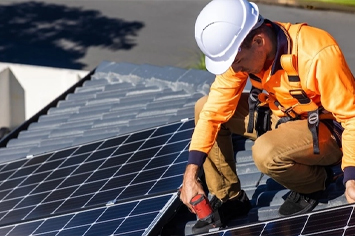
Solar installers regularly perform physically demanding tasks in challenging environments. The nature of the work significantly increases injury exposure.
Major risk factors include:
- Working at heights on rooftops
- Electrical wiring and live connections
- Heavy lifting of panels and mounting systems
- Slips and falls on angled or unstable surfaces
- Heat stress and prolonged sun exposure
Due to these risks, insurers closely evaluate safety practices and job classifications when underwriting Workers Comp For Solar Installer policies.
Common Injuries Among Solar Installers
Understanding common injuries helps employers design effective safety programs and reduce claims.
Frequent workers’ compensation claims in solar installation include:
- Falls from roofs, ladders, or scaffolding
- Back, shoulder, and knee injuries
- Electrical shocks and burns
- Cuts from tools and sharp materials
- Heat exhaustion and dehydration
Even experienced installers face risks, especially when working under tight deadlines or extreme weather conditions.
Who Is Required to Carry Workers’ Compensation?
- Solar installation companies
- Renewable energy contractors
- Electrical subcontractors
- Labor providers supplying solar installers
Employers are responsible for coverage even when work is performed at client locations. Compliance ensures injured workers are protected and businesses avoid fines or stop-work orders.
What Does Workers’ Compensation Cover for Solar Installers?
Medical Benefits
Wage Replacement
Disability Benefits
Death Benefits
Reliable Solar Installer Workers Compensation Insurance ensures these benefits are delivered efficiently when accidents occur.
How Premiums Are Calculated for Solar Installers
Key considerations include:
- Total payroll
- Job classification codes
- Claims history
- Safety training programs
- State-specific regulations
Solar installation is often categorized as high risk, resulting in higher base rates. However, companies that invest in safety training and claims management can control long-term insurance costs.














Reducing Workers’ Compensation Claims in Solar Installation
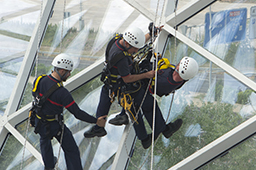
- Fall protection systems and harness training
- Electrical safety certifications
- Heat illness prevention programs
- Regular job-site safety inspections
- Clear injury reporting procedures
Strong safety programs not only protect workers but also improve insurance outcomes under Workers Comp For Solar Installer coverage.
Independent Contractors vs Employees in Solar Work
- Denied insurance claims
- Government fines and audits
- Back taxes and penalties
- Legal disputes
Maintaining proper coverage through Solar Installer Workers Compensation Insurance helps businesses stay compliant and avoid costly mistakes.
Staffing Models and Solar Installation Coverage
Choosing the Right Insurance Provider
A strong policy should offer:
- Accurate job classification support
- Responsive claims handling
- Flexible payroll reporting
- Risk management guidance
Business Benefits of Proper Coverage
Workers’ compensation insurance offers more than legal compliance. It also:
- Limits employer liability
- Builds employee trust and retention
- Strengthens eligibility for large projects
- Enhances professional credibility
Carrying reliable Solar Installer Worker Comp coverage positions solar businesses for sustainable growth.
By investing in safety training, correct worker classification, and experienced insurance partnerships, solar companies can operate confidently and responsibly. Maintaining strong Solar Installer Worker Comp protection is a vital step toward long-term success.
Frequently Asked Questions
Is workers’ compensation required for solar installers?
Yes, most states require coverage for employees in high-risk trades like solar installation.
Are rooftop falls covered under workers’ compensation?
Yes, falls occurring during job duties are typically covered.
Does workers’ compensation cover electrical injuries?
Yes, electrical shocks and burns related to work are covered.
Are part-time solar installers covered?
Yes, part-time and full-time employees are generally covered.
Can solar companies reduce workers’ compensation costs?
Yes, through safety programs, training, and effective claims management.
Are independent contractors covered?
Usually no, but misclassification can result in penalties and denied claims.
What happens if a solar company doesn’t carry coverage?
Penalties may include fines, lawsuits, and suspension of operations.
Does coverage apply during travel between job sites?
Often yes, if travel is part of the job responsibilities.