
Manufacturing Workers Compensation
Manufacturing Workers Compensation: A Complete Guide for Manufacturing Businesses
The manufacturing sector is one of the most essential contributors to economic growth, producing everything from consumer goods to industrial equipment. While manufacturing environments are highly productive, they also involve significant workplace risks. Employees often work with heavy machinery, repetitive motions, high temperatures, and hazardous materials, making workplace injuries a real concern.
Manufacturing workers compensation is designed to protect both employees and employers when work-related injuries occur. Proper coverage ensures injured workers receive medical care and wage support while shielding manufacturing businesses from legal disputes and financial strain. Understanding how workers’ compensation functions within manufacturing operations is critical for compliance, safety, and long-term stability.
Why Workers’ Compensation Is Crucial in Manufacturing
Manufacturing facilities operate under constant pressure to meet production demands. This fast-paced environment increases the likelihood of accidents and repetitive stress injuries. Workers’ compensation insurance acts as a safety net, ensuring employees are protected without placing unexpected financial burdens on the business.
Many manufacturing companies also operate in mixed-use facilities that resemble job sites found in other industries. In these situations, Workers Compensation Insurance becomes essential for meeting legal requirements and maintaining workforce trust. Employers that prioritize coverage demonstrate responsibility and commitment to employee well-being.
Common Manufacturing Workplace Hazards
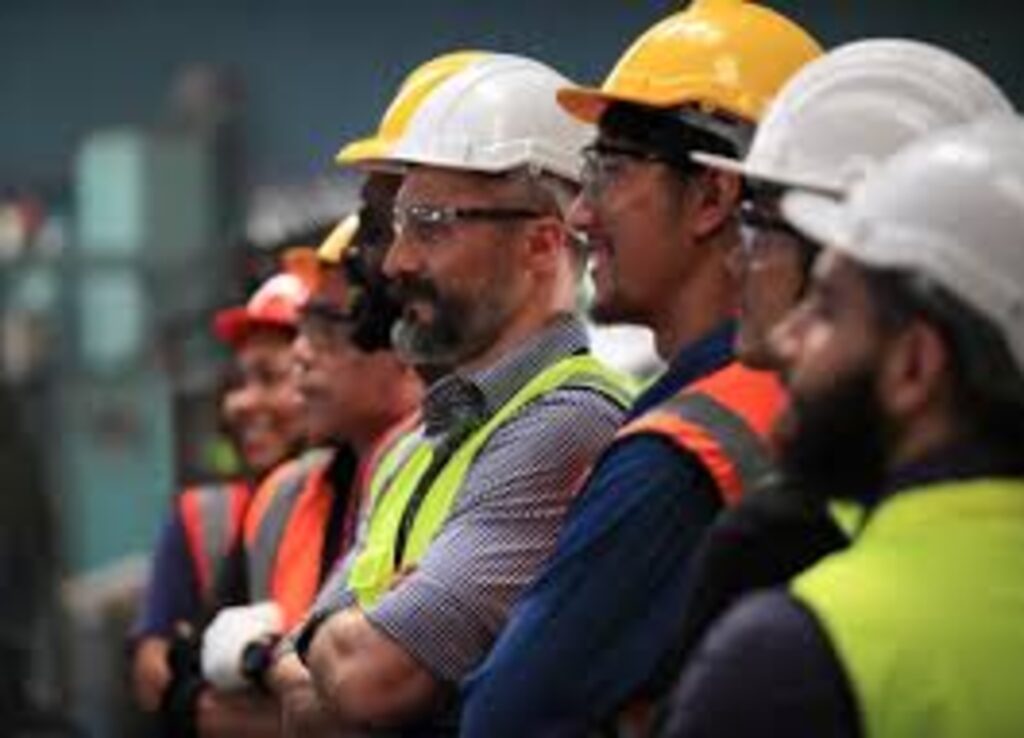
Manufacturing employees face a wide range of hazards depending on the nature of production.
Common risks include:
- Machinery-related injuries
- Repetitive motion and strain injuries
- Slips and falls on factory floors
- Burns from heat or chemicals
- Exposure to loud noise or airborne particles
Because of these hazards, insurers evaluate manufacturing workplaces carefully when determining coverage terms and premiums.
What Manufacturing Workers’ Compensation Covers
Workers’ compensation policies for manufacturing businesses are designed to address both immediate and long-term employee needs.
Typical benefits include:
- Medical treatment and hospitalization
- Rehabilitation and physical therapy
- Temporary or permanent disability benefits
- Partial wage replacement
- Death benefits for dependents
This structure allows employees to recover without financial distress while employers avoid lawsuits related to workplace injuries.













How Manufacturing and Construction Coverage Often Overlap
Manufacturing facilities frequently include construction-like activities such as equipment installation, maintenance, and facility expansion. As a result, insurers sometimes apply classifications similar to Workers Comp Insurance for Construction Companies when evaluating certain manufacturing operations.
Additionally, roles involving equipment setup or structural modifications may fall under Construction Worker Compensation Coverage guidelines. Understanding these overlaps helps manufacturers avoid misclassification issues during audits.

Who Needs Workers’ Compensation in Manufacturing?
Any manufacturing business with employees is typically required by law to carry workers’ compensation insurance. This applies to full-time, part-time, and seasonal workers. Even administrative staff working on-site may need coverage.
Business owners should be cautious when classifying workers as independent contractors. Misclassification can result in penalties, denied claims, and increased insurance costs.
How Workers’ Compensation Premiums Are Calculated
Premiums for manufacturing workers’ compensation depend on multiple factors related to risk and payroll.
Key factors include:
- Type of manufacturing process
- Number of employees
- Payroll size
- Injury and claims history
- Safety training programs
Operations involving heavy machinery or hazardous materials generally face higher premiums, but proactive safety measures can significantly reduce costs.
Reducing Workers’ Compensation Claims in Manufacturing
Preventing injuries is the most effective way to control workers’ compensation expenses. Manufacturing businesses that invest in safety see long-term benefits.
Effective strategies include:
- Employee safety training
- Regular equipment maintenance
- Ergonomic workstation design
- Proper use of protective gear
- Clear injury reporting procedures
Lower claim frequency not only protects employees but also improves insurance rates over time.
Compliance and Legal Responsibilities
Manufacturing employers must comply with state-specific workers’ compensation laws. Failure to maintain coverage can result in fines, lawsuits, and even business shutdowns.
Some manufacturing operations that involve facility expansion or structural modifications may also fall under Construction Industry Workers Comp Insurance standards. Awareness of these legal nuances helps businesses remain compliant and avoid costly mistakes.
Claims Management and Return-to-Work Programs
Efficient claims management plays a critical role in controlling workers’ compensation costs. Prompt reporting, clear documentation, and communication with insurers ensure smoother claims processing.
Return-to-work programs are especially effective in manufacturing environments. Modified duties allow injured employees to remain productive while recovering, reducing lost-time claims and associated expenses.
Long-Term Business Benefits of Proper Coverage
Workers’ compensation insurance is not just a legal requirement; it is a strategic business investment.
Key benefits include:
- Improved employee morale and retention
- Reduced litigation risk
- Predictable injury-related expenses
- Enhanced reputation with partners and regulators

The Role of Workers Compensation Insurance in Manufacturing Growth
As manufacturing companies expand operations, hire more employees, or introduce new production lines, insurance needs evolve. Maintaining accurate Workers Compensation Insurance ensures coverage keeps pace with growth and changing risk profiles.
Understanding how manufacturing risks intersect with classifications used in Workers Comp Insurance for Construction Companies helps prevent coverage gaps during expansion or facility upgrades.
By investing in safety, maintaining compliance, and working with experienced insurers, manufacturing businesses can reduce risks, control costs, and build a safer workplace for everyone involved.
Frequently Asked Questions
Is workers’ compensation required for manufacturing companies?
Yes, most states require manufacturing businesses with employees to carry coverage.
Are repetitive motion injuries covered?
Yes, if the injury is work-related and properly documented.
Does workers’ compensation cover machinery accidents?
Yes, injuries caused by workplace equipment are generally covered.
Can manufacturing businesses lower workers’ compensation costs?
Yes, strong safety programs and fewer claims reduce premiums.
Are part-time manufacturing workers covered?
Yes, part-time employees are typically included.
What happens if a manufacturing company lacks coverage?
Penalties may include fines, lawsuits, and stop-work orders.
Are office staff in manufacturing facilities covered?
Yes, on-site administrative employees are usually covered.
Does workers’ compensation cover long-term disabilities?
Yes, permanent disability benefits may apply depending on injury severity.