
Workers Compensation Insurance For Roofers
Workers Compensation Insurance for Roofers: A Complete Coverage Guide
What Is Workers’ Compensation Insurance for Roofers?

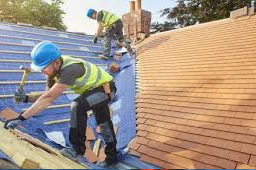
Why Roofing Is a High-Risk Trade
Roofers face hazards every day that significantly increase the likelihood of workplace injuries.
Common risk factors include:
- Falls from rooftops or ladders
- Slips on steep or unstable surfaces
- Heavy lifting of shingles and equipment
- Exposure to extreme heat, cold, and wind
- Cuts from tools, nails, and sharp materials
Common Roofing Injuries Covered by Workers’ Compensation
Roofing injuries range from minor strains to life-threatening accidents. Workers’ compensation insurance ensures injured roofers receive immediate care without financial stress.
Typical covered injuries include:
- Falls causing fractures or head injuries
- Back, shoulder, and knee injuries
- Puncture wounds and deep cuts
- Heat exhaustion and dehydration
- Long-term musculoskeletal conditions
How Roofing Workers’ Compensation Quotes Work
Insurance providers calculate premiums based on multiple factors, including payroll, job duties, and claims history. Getting accurate Roofing workers comp quotes allows contractors to compare coverage options and pricing before committing to a policy.
These quotes reflect the inherent risks of roofing work, state regulations, and safety records. Businesses with fewer claims and strong safety programs typically receive more favorable pricing.
What Determines Roofer Workers’ Compensation Rates?
Several factors influence how much roofing companies pay for coverage. Roofer workers compensation rates are largely determined by job classification codes, which identify roofing as a high-risk trade.
Other pricing factors include:
- Total payroll
- Number of employees
- Claims history
- Safety training programs
- State-specific laws
Companies with strong safety records and proactive injury prevention often benefit from lower Roofer workers compensation rates over time.













Can You Find Affordable Coverage for Roofers?
Because roofing is high risk, premiums are often higher than average. However, affordable options do exist. Many insurers offer Cheap workers comp for roofers who demonstrate strong safety practices and minimal claims history.
Cost-saving strategies include:
- Implementing fall protection programs
- Conducting regular safety training
- Reporting injuries promptly
- Maintaining accurate payroll records
With the right approach, Cheap workers comp for roofers can be both compliant and reliable without sacrificing coverage quality.
Buying Roofing Workers’ Compensation Online
Advancements in digital insurance platforms now allow contractors to secure coverage quickly. Many roofing businesses prefer to Buy roofing workers comp online due to convenience and speed.
Online purchasing offers benefits such as:
- Faster quote comparisons
- Immediate proof of insurance
- Simplified policy management
- Reduced paperwork
For many small and mid-sized contractors, the ability to Buy roofing workers comp online helps streamline operations while staying compliant.

Independent Contractors vs Employees in Roofing
Misclassification is a common issue in the roofing industry. Some contractors label workers as independent contractors to reduce insurance costs. However, many states consider roofers employees due to the level of supervision and equipment provided.
Misclassification can result in:
- Denied insurance claims
- Government penalties
- Back taxes and fines
- Legal disputes
Proper classification is essential to maintaining valid workers’ compensation coverage.
How Roofing Companies Can Reduce Claims
While roofing will always involve risk, many injuries are preventable through proper planning.
Effective risk-reduction strategies include:
- Fall protection systems and harness training
- Ladder safety education
- Heat illness prevention plans
- Routine job-site inspections
- Clear injury reporting procedures
Lower claim frequency improves safety and helps control insurance costs.
Choosing the Right Insurance Provider
Not all insurers specialize in roofing risks. Contractors should work with providers experienced in high-risk construction trades.
A strong provider offers:
- Accurate job classification
- Responsive claims handlin
- Flexible payroll reporting
- Risk management support
The right insurance partner can significantly improve claim outcomes and long-term cost control.
Business Benefits of Workers’ Compensation Insurance
Beyond legal compliance, workers’ compensation insurance provides key business advantages:
- Reduces lawsuit exposure
- Protects company finances
- Improves employee trust
- Enhances credibility with clients
Many project owners and general contractors require proof of coverage before awarding jobs.
By understanding pricing factors, exploring affordable options, and investing in safety, roofing contractors can maintain compliance and build long-term success.
Frequently Asked Questions
Is workers’ compensation required for roofers?
Yes, most states require coverage due to the high risk of roofing work.
Are falls from roofs covered?
Yes, falls occurring during job duties are typically covered.
Do small roofing companies need coverage?
Yes, even small businesses with employees usually must carry insurance.
Can workers’ compensation costs be reduced?
Yes, through safety training, fewer claims, and accurate payroll reporting
Are subcontracted roofers covered?
Coverage depends on classification and contract terms.
Does workers’ compensation cover heat-related illnesses?
Yes, if the illness is job-related.
What happens if a roofer is misclassified?
Misclassification can result in penalties, denied claims, and legal action.
Does coverage apply while traveling between job sites?
Often yes, if travel is part of job responsibilities.